Smith & Hassler Attorneys at Law - Houston, Texas - 1-800-739-1250


PERSONAL INJURY

 
18-wheeler Injury Commercial Litigation Product Liability
Amputation/Paralysis Drug-related Injury Railroad Accident
Automobile Injury Motorcycle Injury Refinery Accident
Brain Injury Nursing Home Negligence Toxin Exposure
Burns/Electrocution Premises Liability Work-related Injury


We have handled many personal injury and wrongful death cases. Some of the cases we handle include car or trucking accidents, motorcycle injury, medical malpractice, nursing home neglect or abuse, product or premises liability, construction or maritime accidents, wrongful death, closed head brain injury, amputations, paralysis, burn, electrocution, and worker's compensation cases, among others.

Don't let the insurance companies prevent you from getting the compensation you deserve. Contact McDonald Worley today for a free case evaluation.

The Attorneys at McDonald Worley have experience in a variety of specialty areas, including (but not limited to) those listed in this site. Click on a topic to learn more about specialized areas of practice.

If you have questions about personal injury areas, contact us for a free consultation.


18-WHEELER INJURY
If you've been in an auto accident, you need to contact our office immediately so that we can begin work on your case before the insurance company has a chance to skew the evidence in its favor. Insurance companies do not want you to contact an attorney because an attorney can preserve the evidence and advise you of your rights. You may be entitled to a money settlement to compensate you for your medical treatment, your lost wages, and pain and suffering, so contact our office so that we can advise you of your rights.

If the other driver is at fault and has liability insurance, you may have the right to collect money damages to compensate you for your past and future medical bills, lost wages, pain and suffering, disfigurement, and physical impairment. If the at-fault driver does not have insurance, you may be entitled to collect money damages from your own insurance company if you purchased Uninsured Motorist Insurance Coverage.

Generally, medical bills are not paid until the time your case is settled. However, if you have Personal Injury Protection or Medical Payments Coverage under your automobile insurance policy, you may be able to pay your medical bills as they are incurred by making a claim against your own coverage. Also, if you have health insurance, your medical bills may be paid as incurred by your health insurance company. Do not worry about making a claim for the non-fault use of your PIP or MedPay coverage; your insurance company is not allowed to raise your premiums just because you elect to use the PIP or MedPay coverage you purchased.

In order to collect money for your lost wages from the driver who caused the accident, or from his insurance company, your lost wages must be documented by your employer or personnel department. Also, your doctor must state that it was medically necessary for you to miss work as a result of the injuries you suffered in the collision.

back to top

AMPUTATION / PARALYSIS
Amputation is defined as removal by surgery of an external body part, usually all or part of a limb. Amputation may be required when a limb has been severely crushed or when blood circulation is impaired.

Other conditions which could lead to amputation include infection, frostbite, burns, or arteriosclerosis. Even though a body part has been removed, some amputees report the feeling of painful sensations from the removed part. This condition is called phantom-limb pain.

back to top

AUTOMOBILE INJURY
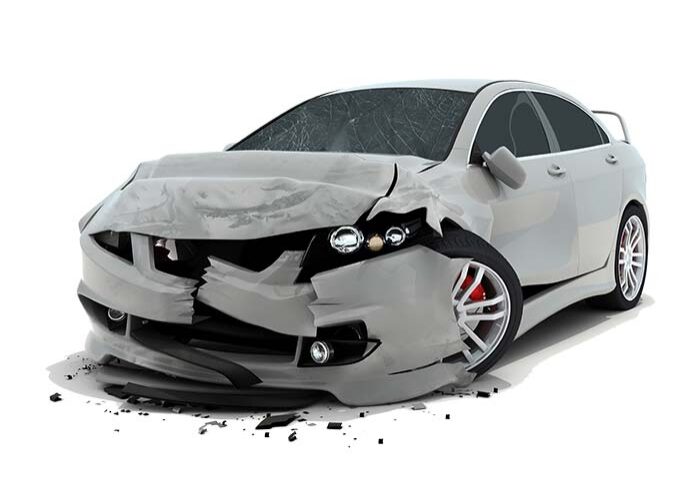
If you've been in an auto accident, you need to contact our office immediately so that we can begin work on your case before the insurance company has a chance to skew the evidence in its favor. Insurance companies do not want you to contact an attorney because an attorney can preserve the evidence and advise you of your rights. You may be entitled to a money settlement to compensate you for your medical treatment, your lost wages, and pain and suffering, so contact our office so that we can advise you of your rights.

If the other driver is at fault and has liability insurance, you may have the right to collect money damages to compensate you for your past and future medical bills, lost wages, pain and suffering, disfigurement, and physical impairment. If the at-fault driver does not have insurance, you may be entitled to collect money damages from your own insurance company if you purchased Uninsured Motorist Insurance Coverage.

Generally, medical bills are not paid until the time your case is settled. However, if you have Personal Injury Protection or Medical Payments Coverage under your automobile insurance policy, you may be able to pay your medical bills as they are incurred by making a claim against your own coverage. Also, if you have health insurance, your medical bills may be paid as incurred by your health insurance company. Do not worry about making a claim for the non-fault use of your PIP or MedPay coverage; your insurance company is not allowed to raise your premiums just because you elect to use the PIP or MedPay coverage you purchased.

In order to collect money for your lost wages from the driver who caused the accident, or from his insurance company, your lost wages must be documented by your employer or personnel department. Also, your doctor must state that it was medically necessary for you to miss work as a result of the injuries you suffered in the collision.

back to top

BRAIN INJURY
Brain injury cases can be extremely complex. For that reason, you need our experience and expertise. Anyone can sustain a brain injury. When the head is hit, the brain bounces around inside the skull potentially wreaking havoc to the fragile tissue. A traumatic brain injury (TBI) can seriously affect a person's ability to reason, it can affect them physically and it can affect them psychologically. Some of the effects include:

  • Ambulation - being able to get around on their own
  • Balance - feeling unsteady on their feet
  • Coordination - a feeling of being "all thumbs" or not being able to do multiple things at once like you used to
  • Fine Motor Skills - needle work can become clumsy, or even tying bows on your shoes can be difficult
  • Strength - no longer able to move the chair to vacuum or lift stacks of paperwork or books
  • Endurance - many people find they can't walk as far or climb the stairs like they used to
  • Memory - remembering events clearly or recalling names of people you know can become a problem
  • Language - some people experience trouble in speaking, forming words properly
  • Information Processing - it may take longer to understand concepts or situations you are in
  • Coping - difficulty accepting and dealing with having a disability

While TBI can be caused by many situations, the most common is when the head strikes an object such as a wall, the ground, etc. Other causes include lack of oxygen for an extended period, poisoning and infection.

Some brain injuries are considered "Mild Traumatic Brain Injury" (MTBI). MTBI characteristics include one or more of the following:

  • Brief loss of consciousness
  • Loss of memory immediately preceding or following the injury
  • Any alteration in one's mental state at the time of the accident

In many MTBI cases, the individual may appear normal on the surface, yet they have continuing functional problems. Long-term affects can include Postconcussion Syndrome (PCS), cognitive and personality changes.

back to top

BURNS / ELECTROCUTION
Burns and electrocutions are one of the most painful types of injuries to sustain. Fires, explosions, electricity, thermal and chemical burns can result in the following levels of severity:

  • First Degree: Considered the least severe, these burns cause superficial damage, red skin, some pain and swelling. Examples: mild sunburn, touching a hot stove
  • Second Degree: These burns go deeper into the skin causing blisters and swelling. Often, sweat glands and hair follicles are affected. Examples: severe sunburn, scalding by hot water
  • Third Degree: Considered the most severe to receive, these types of burns destroy the skin and extend into the deeper tissue. Muscle, fat and bone may even be affected. However, because the nerve endings have been destroyed, these types of burns are typically not painful. Examples: contact with flames, electricity, hot liquid

Approximately two million people sustain burn injuries each year in the United States. According to statistics, burn injuries are the third largest cause of accidental death, leading to over 300,000 serious injuries and over 6,000 fatalities each year.

back to top

COMMERCIAL LITIGATION
In the past, business deals were done with a handshake. However, our current business climate has eroded to “I’ll keep my word until I get a better deal from someone else.” MCDONALD WORLEY, PC represents clients who have been victims of broken promises in the business world and have suffered damages as a result. Some of the types of commercial litigation cases handled by MCDONALD WORLEY, PC include:

  • Breach of Contract
  • Fraud
  • Deceptive Trade Practices
  • Class Actions
  • Collections, including promissory notes
back to top

DRUG RELATED INJURY
Fen-Phen: Withdrawn from the market in 1997 under heavy pressure from the Food & Drug Administration (FDA), Fen-Phen was a combination of Pondimin (fenfluramine) and Redux (dexfenfluramine). Among the most widely prescribed diet drugs in the country, Fen-Phen was used to lower people's appetite by suppressing the body's production of serotonin. Side effects of this drug include primary pulmonary hypertension and valvular heart disease.

Meridia: In March 2002, Ralph Nader's consumer advocacy group Public Citizen filed a petition with the FDA asking that it immediately issue a recall of the dangerous drug. In its petition, the organization noted 29 deaths associated with Meridia since its introduction in 1998. Side effects of this diet drug include increased blood pressure, heart disease, stroke, seizure, rapid heart rate and mental impairments. From February 1998 to September 2001, there were 400 serious adverse reactions attributed to use of Meridia.

Meridia's effectiveness as a weight-loss aid is also being questioned. In approving the drug, the FDA reported that in clinical trials, obese people taking Meridia for one year could expect to lose an average of only 6.5 pounds compared to those taking a placebo. The risk-benefit ratio question: is losing 6.5 pounds worth the heightened risk of a fatal heart attack?

Ephedra: Derived from a root found in Asia (Ma Huang), this stimulates the central nervous system in much the same way as an amphetamine. Basically, Ephedra is like speed. Initially intended to boost your metabolism and give you more energy, medical professionals found that side effects including increased risk of stroke, seizure and heart attack were too concerning.

Prempro - along with Femhrt, Ortho-Prefest, Premphase and other combined estrogen and progestin HRT - carry severe side effects that can be deadly for women. This study found the following increase of incidence with use of Prempro over non-combination HRT drugs:

  • 26 percent increase in breast cancer
  • 41 percent increase in strokes
  • 29 percent increase in heart attacks
  • 100 percent increase of blood clots in legs and lungs

In 2002, 6 million women were taking Prempro. In multiplying out the numbers against the 6 million, we see the catastrophic and broad-reaching health effects to women. For the 6 million women taking Prempro, there will be:

  • 480,000 additional breast cancer cases
  • 420,000 more heart attacks
  • 480,000 more strokes
  • 480,000 more blood clot cases

Zyprexa, also known as Olanzapine, is manufactured by Eli Lilly & Co. The drug is used in treating schizophrenia, bi-polar disorders and some other psychotic mental disorders. The Food & Drug Administration (FDA) approved Zyprexa's use as a schizophrenia treatment in 1996 and approved the drug for treatment of bi-polar disorder in 2000. Zyprexa has been prescribed to over 6 million people worldwide since its debut.

In September 2003, the FDA issued a request to the manufacturer of the very popular antipsychotic medication Zyprexa, used to treat schizophrenia and bipolar disorder, to add to add a warning to the drug's label of a possible link between Zyprexa and diabetes.

The FDA told doctors that patients using Zyprexa and other "atypical" antipsychotics should be monitored for side effects such as blood-sugar abnormalities, particularly if they have risk factors including obesity and a family history of diabetes, and that "increased attention to the signs and symptoms of diabetes mellitus may lead to earlier detection and appropriate treatment and thus may reduce the risk for the most serious outcomes."

Zyprexa may be linked to diabetes, hyperglycemia (elevated blood sugar levels), and diabetic ketoacidosis (a potentially fatal complication of diabetes). Diabetes is a condition in which the body is unable to produce insulin needed to process sugar normally. Diabetes is one of the leading causes of death and disability in the United States.

Early Warning Signs of Diabetes:

  • Abnormal thirst and a dry mouth
  • Frequent urination
  • Nausea or vomiting
  • Rapid breathing
  • Extreme fatigue or lack of energy
  • Constant hunger
  • Slow-healing wounds
  • Recurrent infections
  • Blurred vision
back to top

MOTORCYCLE INJURY
McDonald Worley is well recognized for his excellent handling of motorcycle injury cases. Time and again clients have expressed gratitude that their case was handled by a firm with years of experience dealing with the unique issues arising in motorcycle injury cases.

In virtually every motorcycle accident, the insurance company will do their best to avoid paying the injured person. If you have been injured while driving your motorcycle, it is critical to retain an attorney with experience in dealing with insurance companies and juries who sometimes have a negative view of motorcycles and those people who choose to drive them.

Call McDonald Worley immediately, and ensure that your case will be handled by someone who cares about YOU and is familiar with the many unique issues you will face.

back to top

NURSING HOME NEGLIGENCE
The process of aging can be a frightening proposition to some. Especially if their health is such that they can no longer take care of themselves on some level. Giving up the independence of living on their own can be as stressful as getting used to living among virtual strangers in completely new and foreign surroundings. Add in underpaid staff members that handle distribution of medication, assistance in resident personal hygiene, etc. and, quite often, residents of nursing homes and assisted living facilities innocently become victims of their environment. They become victims of negligence and abuse.

Negligent and abusive care in these facilities can include:
  • Starvation
  • Dehydration
  • Over-medication
  • Unauthorized medication
  • Painful pressure sores
  • Assault / Sexual Assault
  • Battery / Sexual Battery
  • Unreasonable physical restraint
  • Failure to assist in personal hygiene
  • Failure to protect from health and safety hazards

The elderly and infirm have rights. They have the right to be treated humanely. The Nursing Home Reform Act of 1987 stipulates that a nursing home "must provide services and activities to attain or maintain the highest practicable physical, mental, and psychosocial well-being of each resident in accordance with a written plan of care…" When nursing homes are not providing appropriate services, serious illness, injury and, in some cases death, can befall the residents.

back to top

PREMISES LIABILITY
Although Premises Liability can entail many situations, the most common accident is that of slip and fall. This can occur when walks are not shoveled during the winter, when carpet is not installed correctly, etc.

Other types of premises liability include injuries from:
  • Toxic mold
  • Toxic chemicals
  • Lead poisoning
  • Defective, inadequate or inoperative lighting
  • Defective or improperly maintained equipment
  • Failure to warn regarding hazardous conditions
  • Failure to warn regarding guard dogs on the property
  • Dog attacks
  • Poorly maintained landscaping, overgrown underbrush, fallen trees
  • Slippery and wet conditions
  • Poorly maintained walkways (stairs, sidewalks)
  • Poorly maintained parking lots (pot holes, culverts, ditches)
  • And much more

In some situations, a property may even be held liable for something done by a subcontractor. For example, if a cleaning crew polished the restroom floors too highly and an employee slips and falls sustaining injury.

Property owners have a duty to provide safe and clean environments for those working and visiting their locations. Negligence leading to serious injury or death must be dealt with appropriately.

back to top

PRODUCT LIABILITY
Product Liability means the responsibility of any and all parties contributing to the manufacture of a given product for any and all damages caused by said product.

A product can be deemed defective for any of the following reasons:
  • Negligence
  • Breach of Implied or Expressed Warranties
  • Strict Liability

Defective products can ruin lives. They can cause serious injury, disability, even death. So, it is only right that those who were negligent in the manufacture of a product be held liable.

back to top

RAILROAD ACCIDENT
Every year, hundreds of people are injured or killed at railroad crossings and light-rail train intersections. Many times, the crossings are improperly marked or unlighted. Occasionally, the train engineer or the railroad company will be responsible for the accident.

Here are some interesting facts concerning railroad accidents:
  • Approximately every 2 weeks in the United States, a train carrying hazardous material goes off the tracks.
  • For the most part, railroad companies still rely on technology that was developed more than 70 years ago.
  • More than 50% of all railroad accidents occur at unprotected crossings.
  • According to the Federal Railroad Administration, more than 80% of all railroad crossings have inadequate warning devices.
  • Although statistics shows that "vehicle v. train collisions" have decreased in the last few years, "pedestrian v. train collisions" have increased.
  • Every 90 minutes there is a train collision or derailment.
back to top

REFINERY ACCIDENT
The biggest dangers at any oil refinery, workers will tell you, are fire and explosion. Either of these situations can also lead to inhalation of toxic fumes.

Refinery owners are obligated to provide a work environment that is properly maintained, meeting safety and environmental guidelines and regulations. When a fire or explosion occurs at a refinery, causing serious injury and death to those around, violations and negligence in maintenance are immediately scrutinized.

back to top

TOXIN EXPOSURE
Toxic Tort is best described as a personal injury or property damage caused by chemical exposure or pollution. Examples of a toxic tort include:

  • Train derailment where toxic chemicals are spilled and the toxic fumes spread out over the surrounding neighborhood causing respiratory problems.
  • Handling pesticides on a continuous basis over many years wherein the toxicity of the chemicals is previously unknown.
  • Breathing highly polluted air over long periods of time, which leads to respiratory problems.
Due to the growth of industry and an increase in the use of chemicals, the number of dangerous or toxic substances in our environment has grown considerably. Smith & Hassler is committed to protecting the health and welfare of those who have been exposed to toxic substances found at their homes or places of work in groundwater or their local environment and has represented numerous clients in their toxic tort claims.

Many of the effects of toxic exposure are permanent, and often victims are not aware that the medical problems they have are directly related to that exposure. A plaintiff who proves that he or she was exposed to a toxic substance due to the negligence of another person or company is entitled to compensation for all of the consequences related to the exposure, including:

  • Abatement of the toxic substance
  • The cost of past and future medical care
  • The cost of necessary rehabilitation
  • Loss of past and future wages
  • Loss of earning capacity and related fringe benefits
  • Pain and suffering associated with the exposure

McDonald Worleyconsults with experts in the fields of medicine, industrial hygiene, epidemiology, the environment, rehabilitation, economics and psychology to help determine the cause and long-term effect of injuries from toxins. These experts also provide insight into how to present these complex issues so that a court and jury can intelligently rule in a case.

Some of the toxic substances and related injuries are:
  • Asbestos
  • Lead-based paint
  • Mold
  • Multiple chemical sensitivity
  • Latex glove exposure
  • Ground water contamination
  • Benzene
back to top

WORK-RELATED INJURY
Construction:
Construction zones are a constant site across the United States. Everything from residential to commercial to highway construction. Unfortunately, construction area accidents are also a constant. Some of the most common accidents involve moving machine parts, hazardous chemical spills, scaffolding collapses, slip and fall from unsafe working conditions and cranes. The resulting injuries are just as wide ranging:

  • Broken and/or fractured bones (arm, neck, leg, back)
  • Traumatic brain injury
  • Quadriplegia
  • Paraplegia
  • Death

Although construction companies are obligated to meet certain safety requirements, many times the safety engineers or safety programs are negligent or non-existent.

Longshore Injury:
The Longshore Harbor and Workers Compensation Act ("LHWCA") provides benefits similar to workers compensation statute for individuals injured working in a maritime context, not necessarily on a vessel. LHWCA benefits for injury are specifically defined and the procedure for obtaining benefits is similar to a State Workers Compensation statute.

However, there are a few situations where an injured person can submit a claim for benefits above and beyond what the LHWCA provides. These claims can include general damages for pain and suffering, as well as disability.

There are also situations where a claim can be brought against a vessel owner or the owner and the employer.

Offshore Injury:
Even at sea, employers have a duty to provide safe working conditions for their employees. However, working in the offshore environment can be especially dangerous. Due to the nature of the industry, accidents can include the following:

  • Helicopter crashes
  • Explosions
  • Crane accidents
  • Sinking ship
  • Rigging accidents

Despite the fact that safety measures are implemented and followed to great lengths in offshore operations, injuries can still happen. Limited medical help is usually immediately available, but the distance from mainland and weather can complicate the seriousness of any injury.

Welding Rod Exposure:
Exposure to welding rod fumes may lead to neurological disorders. The toxins contained in welding rod fumes, especially manganese, have been shown to cause a variety of neurological and movement disorders often referred to as Parkinsonism. These include Parkinson's disease, manganese-induced Parkinsonism, manganese poisoning and manganism. Symptoms may include tremors in hands, arms or upper body; reduced facial expression; rigidity in arms, legs or hands; difficulty swallowing; shuffling walk or balance difficulties when walking; loss of memory; loss of desire to talk or slow speech; irregular handwriting; or a feeling of weakness and lethargy.

Welding rods may contain up to 25% manganese. Typically, the rods or electrodes used in Shielded Metal Arc, or "stick" welding, will contain the most manganese. Welding wire used in Metal Inert Gas (MIG) welding may also contain a significant level of manganese. Fumes released during the welding process contain manganese.

Epidemiological studies of workers who have worked with manganese welding rods or been exposed to the fumes emitted from these welding rods have provided consistent evidence indicating that neurotoxicity is associated with low-level occupational manganese (Mn) exposure. Manganese has been known since the early nineteenth century to be toxic to workers who inhale Manganese or Mangenese fumes. Clinical research indicates that neurologic dysfunction continues to increase even after removal from the manganese exposure.

back to top


Home  l  Practice Areas  l  Verdicts & Settlements  l  Case Evaluations  l  Houston Probate Lawyer  l  Probate Litigation Houston

Wrongful Death  l  Wills/Trusts/Estate Plans  l  Auto Accidents  l  Disclaimer  l  Privacy Notice  l  Contact

2005 Portsmouth  |  Houston, Texas 77098  |  (713) 523-5500

Copyright 2007-2009. All Rights Reserved.

Web Site Originally Designed and Developed by Axcension, Inc